


Is it Time to Clean Out Your Makeup Bag?
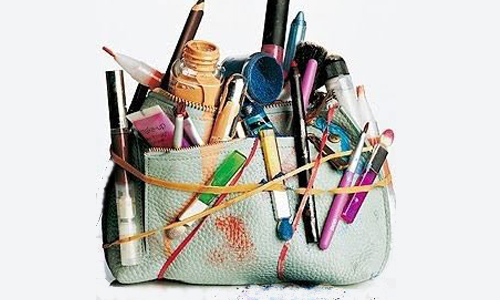
What’s in Your Makeup Bag?
When was the last time you cleaned out your makeup bag? If you’ve been collecting cosmetics for years, you may be holding on to products that should have been replaced long ago.
Many people keep makeup until it’s completely used up, even when it’s been sitting in a drawer or makeup bag for years. Just as concerning, brushes and sponges that touch the skin every day often go weeks without being cleaned.
Over time, cosmetics and makeup tools can become contaminated with bacteria and fungi. Using contaminated products may contribute to skin irritation, breakouts, and, in some cases, infections.
Here’s what you should know about keeping your makeup collection clean, safe, and ready to use.
Eye Makeup: Pay Special Attention
Products used around the eyes deserve extra care because the eye area is particularly sensitive. Mascara, eyeliner, and eyeshadow can become contaminated through repeated contact with the skin, eyelashes, and applicators.
Mascara is especially vulnerable because its wand is repeatedly removed, used, and returned to the tube. Each use can introduce microorganisms into the product.
A good rule of thumb is to replace mascara approximately every three months after opening. Replace it sooner if it develops an unusual odor, changes consistency, or becomes dry and clumpy.
Using contaminated eye makeup can increase the risk of irritation and eye infections, including conjunctivitis, commonly called pink eye.
Never add water or saliva to dried-out mascara, and avoid sharing eye makeup with anyone else. If you develop an eye infection, stop using eye cosmetics and discard products that may have become contaminated.
Face Makeup: Old Products Can Affect Your Skin
Foundation, concealer, blush, powders, and cream-based cosmetics can also become contaminated over time, particularly when applicators or fingers repeatedly come into contact with the product.
Watch for changes in smell, color, consistency, or texture. Liquid and cream products may separate, develop an unusual odor, or become difficult to apply evenly.
Although expired makeup does not automatically cause acne, contaminated products and certain pore-clogging formulas can contribute to irritation or breakouts, especially for people with acne-prone or sensitive skin.
When a product changes noticeably or you suspect contamination, replacing it is usually the safest choice.
Understanding Makeup Expiration Dates
Unlike many foods and medications, most cosmetics sold in the United States are not required to display a specific expiration date.
Some products include a small open-jar symbol with a number such as 6M, 12M, or 24M. This indicates the manufacturer’s recommended period of use after opening, where provided.
However, the actual useful life of a cosmetic depends on its ingredients, packaging, storage conditions, and how it is handled.
Products exposed to excessive heat, sunlight, moisture, or repeated contamination may deteriorate sooner than expected.
Helpful habit: Write the date you opened a product on its packaging, particularly for mascara and other frequently used liquid cosmetics.
Don’t Forget Your Makeup Brushes and Sponges
Even fresh makeup can become contaminated when applied with dirty tools.
Brushes and sponges collect makeup residue, skin oils, dead skin cells, and microorganisms. Without regular cleaning, this buildup can contribute to skin irritation and may make makeup application less effective.
Clean frequently used makeup brushes at least weekly with a gentle cleanser or a product designed for makeup tools. Brushes used for liquid and cream products may benefit from more frequent washing.
Wash reusable makeup sponges after each use when possible, allow them to dry completely, and replace them when they begin to deteriorate or cannot be cleaned thoroughly.
Avoid storing damp brushes or sponges inside a closed makeup bag, where moisture can encourage microbial growth.
Your Makeup Bag Cleanup Checklist
A few simple habits can help keep your cosmetics and applicators in better condition:
- Replace mascara approximately every three months after opening, or sooner if it changes or becomes contaminated.
- Discard makeup with an unusual smell, color, or texture, including products that have separated or visibly deteriorated.
- Clean makeup brushes regularly, especially those used with liquid or cream products.
- Wash reusable makeup sponges frequently and allow them to dry completely between uses.
- Never share mascara, eyeliner, or lip products to reduce the risk of transferring microorganisms.
- Keep cosmetics away from excessive heat and moisture, which can shorten their useful life.
- Consider travel-size mascara if you rarely finish a full-size tube within three months.
- Record the date you open cosmetics so you know when it’s time to replace them.
Healthy Skin Starts with Clean Habits
Keeping your makeup bag clean is a simple but often overlooked part of a healthy skincare routine. Even high-quality cosmetics can become unsuitable for use when stored too long or applied with contaminated tools.
Regularly replacing older products, washing your brushes and sponges, and paying attention to changes in your makeup can help reduce unnecessary skin irritation and hygiene-related problems.
The bottom line: You don’t need an overflowing makeup collection to look your best. A smaller selection of fresh, well-maintained products is often better for your skin than a makeup bag filled with forgotten favorites.