


Popular Pinterest Beauty Hacks That Aren’t Safe for Skin
Scroll Pinterest long enough, and you’ll find “miracle” beauty hacks using whatever happens to live in a kitchen cabinet. They’re cheap, easy, and sound harmless. The problem: natural and non-toxic are not the same as skin-safe, especially on delicate facial skin.
Your face has a protective barrier (your moisture barrier + microbiome + natural pH balance). Many DIY hacks strip, inflame, or clog it. The result is often the opposite of what you wanted: redness, sensitivity, breakouts, and sometimes chemical burns.
Below are some of the most common viral beauty hacks and why they’re not worth the risk.
DIY Pore Strips / “Glue Masks”
This hack usually involves mixing charcoal with glue or gelatin, then peeling it off to “remove blackheads.”
Why it’s risky:
- Peeling can pull at the skin barrier and cause irritation, broken capillaries, or raw patches.
- Glue and gelatin can be pore-clogging for some skin types.
- You may remove surface debris, but you’re not addressing what actually causes blackheads (oil, dead skin, and congestion inside the pore).
Safer option: Gentle clay-based care and consistent cleansing. For targeted congestion, a product like LEROSETT® Spot Treatment & Clearing Mask is a more skin-respectful approach than literally gluing your face.
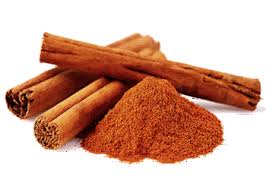
Cinnamon
Some posts claim cinnamon “dries acne,” smooths skin, or reduces fine lines.
Why it’s risky:
Cinnamon is a known irritant and can be dermocaustic (capable of causing burns), especially when mixed into DIY masks. People don’t just get mild redness; they sometimes get real chemical-like irritation.
Bottom line: Cinnamon belongs in food, not on facial skin.
Baking Soda
Baking soda gets recommended for everything from exfoliation to “deep cleansing.”
Why it’s risky:
- Baking soda is highly alkaline and can disrupt the skin’s natural pH, which supports a healthy barrier and microbiome.
- That stripped, squeaky-clean feeling often leads to rebound oil and breakouts days later.
- It can worsen sensitivity and cause tightness, flaking, and irritation.
If your skin is breaking out, it’s usually not because it needs harsher scrubbing. It usually needs calm, consistent care.
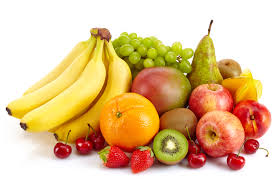
DIY Fruit Masks
Fruit masks (strawberries, kiwi, lemon, blueberries, etc.) are everywhere.
Why it’s risky:
- Fruits contain acids that can irritate, cause stinging, redness, peeling, and sometimes burns.
- DIY fruit masks are unpredictable: the concentration varies and there’s no buffering, no stability testing, and no standard pH.
- Some people develop irritation or sensitivity over time, especially with repeated use.
Better option: If you want gentle resurfacing, use a professionally formulated exfoliating product with controlled acids, stable pH, and soothing support. For example, GUNILLA® Brighten & Renew Cream (10% AHA moisturizer) is designed for skin, not smoothies.
Egg Masks
Egg masks claim to tighten pores, smooth skin, and “cure” breakouts.
Why it’s risky:
- Tightening is usually temporary (a surface “film” effect).
- Eggs can irritate some skin types, especially acne-prone or reactive skin.
- There’s also a small but real concern with hygiene and contamination.
If your goal is smoother-looking skin, consistent hydration + barrier support beats kitchen experiments.
Mayonnaise
This one shows up as a “deep moisturizer.”
Why it’s risky:
- It’s heavy, occlusive, and can clog pores easily.
- It isn’t formulated for facial skin and can trigger breakouts in acne-prone people.
- Not all oils are acne-friendly, and the mix isn’t designed for stability or skin comfort.
Toothpaste on Pimples
This is the classic “dry it out overnight” trick.
Why it’s risky:
- Toothpaste often contains ingredients that can burn, irritate, or dry out skin (and the pimple area is already inflamed).
- Over-drying can prolong healing and increase the risk of post-breakout marks.
Smarter option: Use a spot product designed for the skin. LEROSETT® Spot Treatment & Clearing Mask is a gentler, clay-based option compared to toothpaste roulette.
Sugar / Salt Scrubs (On the Face)
DIY scrubs get recommended as “natural exfoliation.”
Why it’s risky:
- Sugar and salt crystals can have jagged edges that cause micro-tears in facial skin.
- This can worsen sensitivity, redness, and acne inflammation.
- The face isn’t your elbows.
If you want exfoliation, use gentle, skin-specific formulas and avoid harsh physical abrasion.
The Takeaway
If a hack involves burning, peeling, scraping, or extreme drying, it’s usually not skincare. It’s damage with good marketing.
A better approach is boring but effective:
- Keep the skin barrier healthy
- Avoid harsh DIY ingredients
- Use stable, professionally formulated products
- Be consistent (skin loves consistency)
That’s why brands like GUNILLA® focus on plant-based, skin-supportive formulas, and LEROSETT® focuses on acne-prone skin with gentle, clay-based detox support, without the “let’s put toothpaste on it and hope” strategy.